


Vancouver, BC | Posted: November 1st, 2017
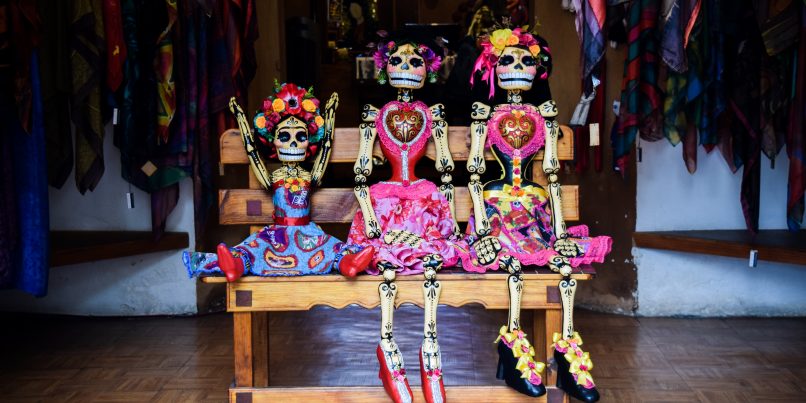
Many of us growing up in North America have likely observed Halloween in one way or another. Our Instagram feeds have been saturated with sugar skulls and other costumes that pay homage to Día de Muertos. We’ve likely heard Día de Muertos (or Día de los Muertos) referred to as the “Mexican Halloween”. That’s where we’ve got it all wrong. Día de Muertos is so much more than you think.
Día de Muertos is celebrated in many parts of Mexico, but mainly throughout the South and Central states of Mexico. It’s believed that on November 1st the souls of the deceased children return to Earth from Heaven, to reunite with their surviving family members. November 1st is referred to as Día de los Angelitos or Día de los Inocentes. On November 2nd, the souls of deceased adults visit.
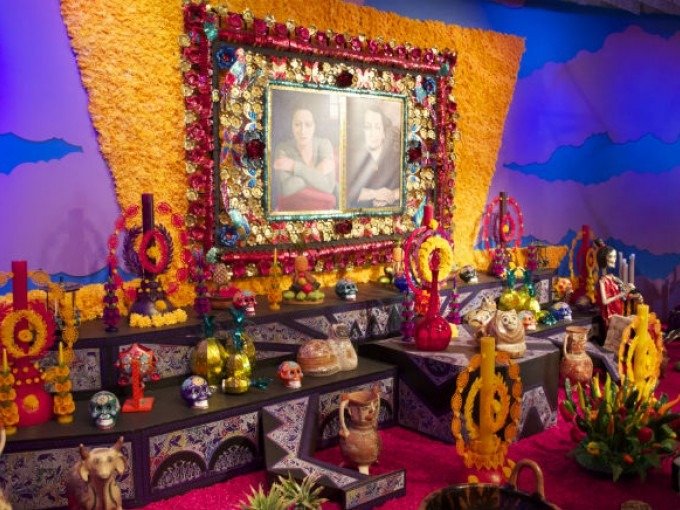
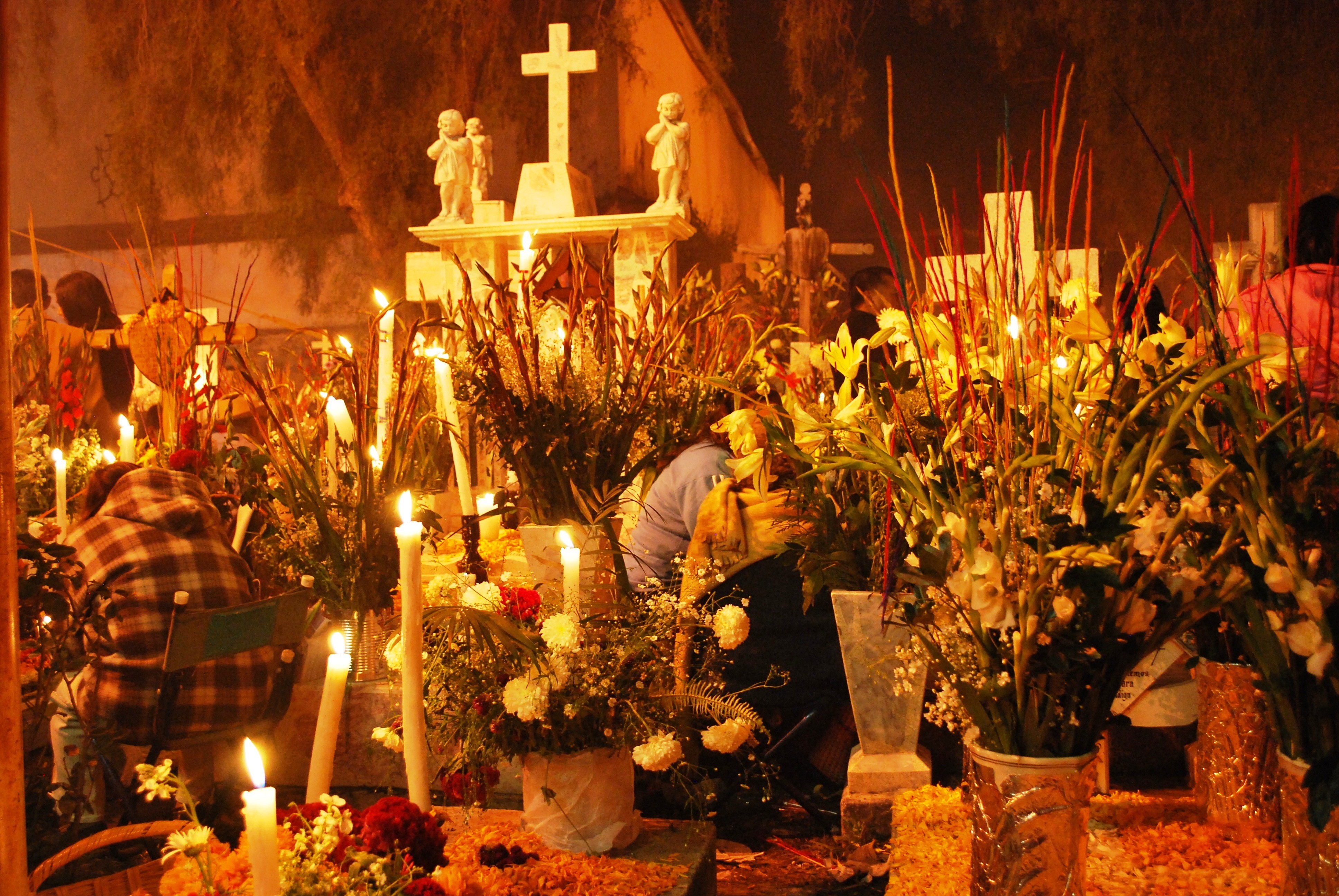
Residents create beautiful, colorful altars in their homes and decorate with candles, flowers, the loved one’s favorite food and bread of the dead (Pan de Muertos). Families of the deceased carry on festivities in the cemeteries by bringing food, drinks, tequila, mezcal, and music. They also build altars at the gravesites filled with flowers and photos of their loved one. Essentially, this day is to celebrate the life of those they’ve lost, which in itself is a really quite beautiful.
The tradition of Día de Muertos has been traced back to the Aztecs, who celebrated the day on the 9th month of the Aztec calendar. This would fall around the beginning of August. Día de Muertos was not observed in November until the Spanish conquistadores landed in Mexico. The Spanish thought the tradition was sacrilegious, so it was reformed by the Catholic Church and the date moved to fall on All Saint’s Day.
In one town, Pátzcuaro, in the state of Michoacan, different celebrations occur for children and adults. On November 1st, the godparents or padrinos, of the child set up a table in the home of the child’s parents. The table is adorned with fruits, pan de muerto, candies, a rosary, a cross and candles in honor of the child. There is dancing, colorful costumes and masks in the plaza of the town. On November 2nd at midnight, the townspeople light candles and ride on boats with wings (mariposa) to an island in the middle of Lake Patzcuaro. Janitzio, the island in the middle of Lago de Patzcuaro, is home to a cemetery. Here, the lives of the deceased will be celebrated by their loved ones.
The beautiful thing about Mexico is that each state has unique, deeply rooted traditions and celebrations. Wherever you choose to observe the holiday, enjoy the cultural richness and be ready for celebrations of epic proportions.
Sarah is an independent contractor with specialization in content writing and social media management for the travel industry. After many years as a travel agent, she switched gears to focus on promoting responsible travel through Holidays for Humanity. Sarah currently writes content for and manages social media for all Holidays for Humanity brands including SEEtheWILD, Trek Union and GoVoluntouring. When not working, Sarah can be found searching for her next travel destination or exploring Vancouver’s dog-friendly parks and trails with her dog, Otto. You can read more of Sarah's personal travels on her blog www.sarahseizetheworld.com